what does it mean to root your android
If you've researched anything nigh Android on the internet, you've probably seen and read virtually "rooting" it. There was a time when many of the Android phones available didn't live up to their potential, and root was the answer. Horrible software was the norm, applications that you would never use ran amok and wasted data and bombardment life, and the experience was bad all around.
Considering every Android phone is running the Linux kernel and middleware very similar to a Linux distribution you would install on a computer under the hood, rooting them was the way to let united states to try and fix them our ain way. Rooting is how you go complete admission to everything in the operating system, and those permissions permit you to modify it all. Modern Androids are quite a bit ameliorate than they used to be. Even the most inexpensive phone or tablet you lot can buy in 2019 volition do more and perform improve than the best Android telephone available just a few years ago. Simply many of u.s. still want to root our phones and are looking for more than data.
Tabular array of contents
- What is root?
- Should I root?
- Getting ready
- How to root
- Samsung
- LG
- Huawei
- OnePlus
- Motorola
- Pixel
- Other phones
What exactly is root?
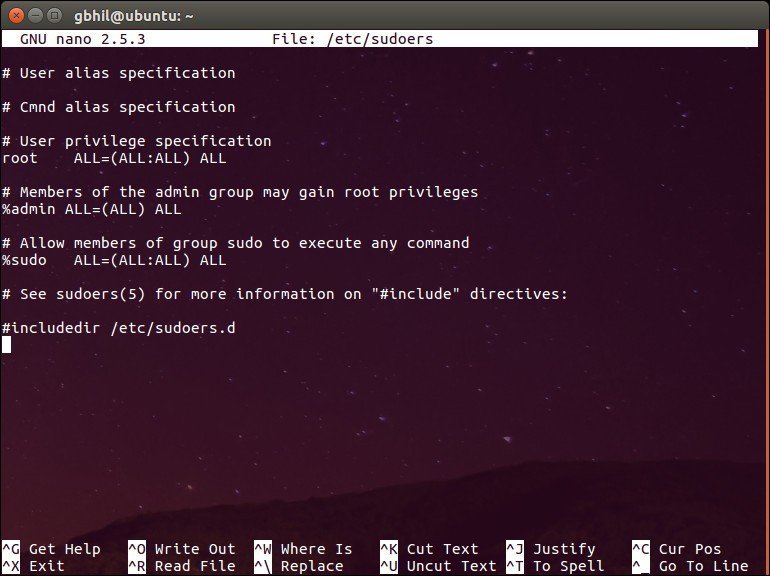
When you root your Android, you lot're simply adding a standard Linux part that was removed.
Root, at to the lowest degree the manner we're talking about it here, is the superuser. Your Android telephone uses Linux permissions and file-system ownership. You lot are a user when you sign in, and yous are immune to do sure things based on your user permissions. Apps you install are also given a type of user ID, and they all accept permissions to exercise certain things — yous see those when yous install them on older versions of Android, or you lot are prompted to let them on Marshmallow or higher — in sure folders with certain files. Root is also a user. The difference is the root user (superuser) has permission to do anything to any file anywhere in the arrangement. This includes things we want to do, like uninstall application forced on us, or things nosotros don't want to do that can put your Android in an unusable state. When y'all're doing things with superuser permissions, you have the power to do annihilation.
When you root your Android, yous're merely adding a standard Linux function that was removed. A small file called su is placed in the system and given permissions so that another user can run it. It stands for Switch User, and if y'all run the file without any other parameters information technology switches your credentials and permissions from a normal user to that of the superuser. You are and so in complete control and can add anything, remove annihilation and access functions on your telephone or tablet that you couldn't achieve before. This is pretty important, and something you should think virtually earlier you begin.
System root vs. Systemless root
Everything described higher up is how Linux-based systems commonly work, and how Android worked earlier version 4.3.
Since the release of Android 4.3 the process that handles requests for root access has to run equally soon as you turn on your phone. This daemon (that'south what these sorts of processes are called) also needs special permissions so it can piece of work as intended. To brand both of these things happen, files in the telephone'due south arrangement folder had to be modified.
When Android 5.0 was released things changed and the kick image — software that does exactly what you think it does: kick up Android on your phone — need to be modified so that the su daemon was launched. Since this doesn't modify the system partition, it was called a systemless root.
Systemless root is what you'll accept unless yous can build Android for your phone and install it.
Work on systemless root was apace halted when a style to root phones running Android 5 by editing the organisation files was plant, but Google patched the method with Android 6 and systemless root was once again required.
It's good that Google patches things to keep our phones more secure because most people don't intendance nearly rooting phones and need these protections. In this case, it was also skillful for the rooting customs at big because a systemless root is better in a lot of ways.
Information technology's easier when y'all want to update to a newer version of Android, information technology'south easier to remove if yous modify your mind, and what most users like near it is that a systemless root can be "hidden" so that certain apps and behaviors won't know your telephone is rooted and function usually. Yes, this means that things similar Google'south SafetyNet, your bank's app, or fifty-fifty a game that doesn't permit rooted devices can work commonly in many cases.
Unless y'all take a very old phone or merely want to practice edifice Android yourself on a Pixel or other open up hardware platform supported by Google, you'll probably be using a systemless root method.
Should I root my Android?
Yes. No. Maybe. All three answers are perfectly valid. People have different reasons to want to root their devices. Some exercise it just because they tin — they paid for the hardware and call back they should be able to do anything they like. Others want to exist able to add together things that aren't there, similar internet servers or be able to "prepare" services that are there but don't work the way they would like them to work. People might purchase a telephone because they like the hardware, merely hate the software and want to change it. Mostly, people root their phones because they just want to get rid of the extra things on it that they don't want. Every one of these reasons — equally well as whatever reason you might have that aren't mentioned here — are the right reasons.
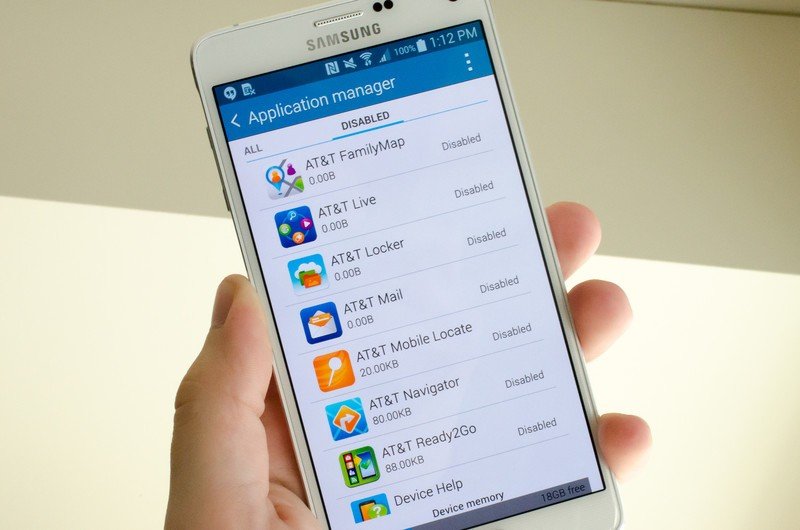
Most people want root to get rid of the bloat.
Before you do any grooming to root your phone, you need to remember that it changes everything nearly the inherent security from Google and the visitor that built it. Plenty of u.s. don't like it, only existence able to admission an account with admin permissions was non included in release versions of Android on purpose. As soon as you add this capability, you are responsible for the security and integrity of the operating system and every application on it. For some, this is more responsibleness than they desire or need.
Rooting isn't the answer for everyone. If you're not certain virtually the means you can break things by doing them as root, you should acquire more virtually it before you start. It'southward OK to not know things and to endeavour and larn, just not knowing and doing them anyway tin can turn a very expensive Android into a paperweight. You as well need to know that for many Android models, rooting means your warranty is null and void. Services (including apps as well as network access from your carrier) can be denied to you considering of the security gamble when you lot're rooted. The risk is real because then many users go into it all blind and let security lapse. Not doing that is your responsibility — take it seriously!
Rooting your phone puts y'all in charge when it comes to privacy and security. That'southward good and bad.
Finally, in that location are enough of users who merely don't care about this stuff. Whatever Android phone, no matter how restricted root admission is, can practice but virtually everything we desire or need from a pocket estimator. Y'all can alter the appearance, choose from over a million apps in Google Play and accept complete access to the internet and about any services that live there. You lot tin can even make telephone calls. It's great if y'all're happy with what you have and what information technology tin can do, and aren't worried almost trying to prepare what isn't (in your eyes) cleaved.
Getting ready to root
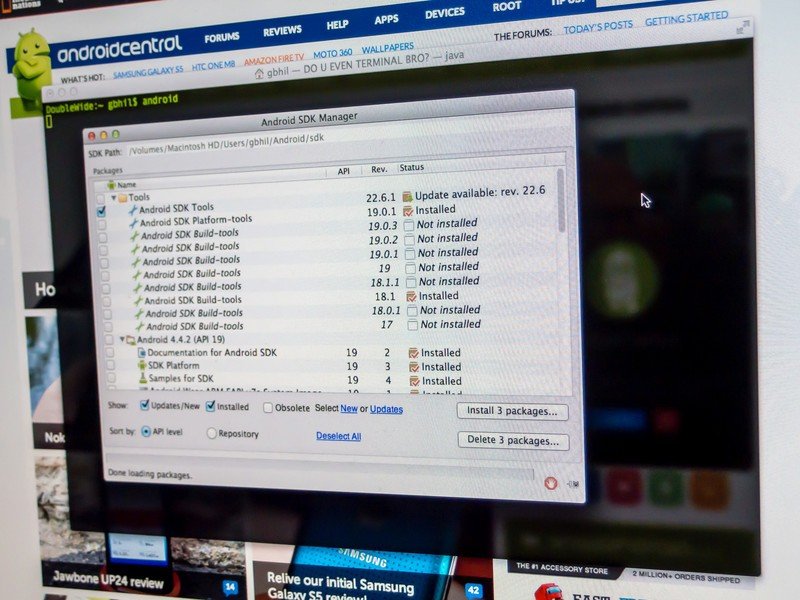
You'll demand to do a few things to prepare your phone for rooting, depending on which method you use. Many of the means crave you install the Android SDK or unlock your bootloader. This sounds like a lot of scary work, but it's non hard and knowing how to use these tools volition assist if things become wrong. The Android SDK is huge, and if you lot're just rooting your phone, you don't want to waste bandwidth or file space on it. XDA user shimp208 built Minimal ADB and Fastboot, a Windows tool that only contains the ADB and Fastboot components needed for rooting.
Here is our comprehensive walkthrough of how to set up and install the Android SDK
Depending on which phone you have, unlocking the bootloader is slightly different. The "standard" mode is by using the OEM unlock command. If you're using a Motorola, Sony, or LG phone y'all'll be able to get an "official" cryptographic token to unlock your bootloader for some devices. You lot'll discover how to do that and who to get it from at each vendor's developer pages in the links below. Remember that unlocking the bootloader on your Android may bear upon the warranty status.
- Motorola bootloader unlocking
- LG bootloader unlocking
- Sony bootloader unlocking
How to root my telephone?
How you lot root your Android is going to depend on which one you have. There are over 12,000 unlike Android models (and that's but counting ones that can access Google Play) from hundreds of different manufacturers. Almost all of them accept been designed so that they are hard to root. That's because if it is is easy for y'all to root your telephone when you want actress admission, it may also be piece of cake for someone else to root your phone and get the same access — which means they would have all of your important private data.
In that location are models specifically hardened to foreclose unauthorized access (that means rooting, as well) like the BlackBerry KEY2 besides every bit devices that were designed to be safely and hands unlocked for full developer access like the Google Pixel four. Most phones autumn somewhere in betwixt, and when carriers get involved they take control over the process, likewise.
The best Android phones
With over 12,000 different models, we can't cover every single method to root every single device. We can point you in the right direction and help you get there, though.
Rooting your Samsung phone
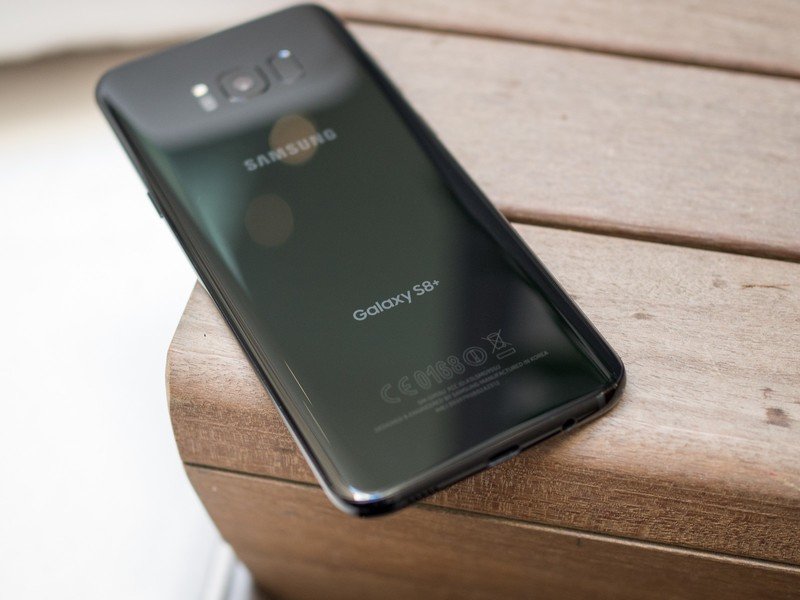
Samsung used to offer "programmer editions" of their popular models, but weak sales (they usually needed to be paid for in full with no type of subsidy or financing) they seem to have stopped product. We have but ourselves to blame — it'south just not worth making something that nobody is ownership.
Samsung besides makes very lucrative deals with carriers, and most of the time those carriers want to forestall you from rooting your phone. Contempo models from AT&T or Verizon are notoriously difficult to exploit, and all the U.S. versions of the Galaxy S9 are locked up and encrypted. In that location might non ever exist a way to root them. This isn't true for unlocked models sold outside of N America though.
Knox can pose special problems when trying to root.
To root most Samsung phones you lot'll need to utilise a program called Odin. It's a low-level firmware flashing tool that tin can push paradigm files to the storage and overwrite existing images. You'll likewise need the correct USB drivers for Windows computers. If you're using a Mac computer or running Linux, the software that flashes images is called Heimdall. They both work substantially the same and carry the same risks — if you try and wink the wrong image or a bad image, your telephone isn't going to be able to start. While this is often recoverable, know that there is always a chance yous can ruin your telephone or tablet, and your warranty is voided every bit soon every bit you lot begin.
Also, many Samsung phones ship with Knox security enabled. Knox is part of Samsung's special "Samsung Approved For Enterprise" feature where personal and work environments can be separated in a style that allows both to coexist on the same device. Knox can pose special bug when trying to root a phone that uses it, and it has a software counter that tin bear witness when device firmware has been tampered with. This means it'due south very like shooting fish in a barrel for Samsung to void your warranty if you lot start lilliputian with things.
For more information virtually rooting Samsung phones, the all-time communication we have is to bank check XDA Forums for your particular model. * Galaxy Note 10 * Galaxy S10 * Milky way Notation nine * Galaxy S9
XDA Forums are a group of people, including some from the mobile industry, who are dedicated to the good sort of hacking of mobile devices. It's one of the best places on the internet to learn nearly things like rooting your phone, and it'south the starting time place I check when I take whatsoever questions, as well!
Rooting your LG phone
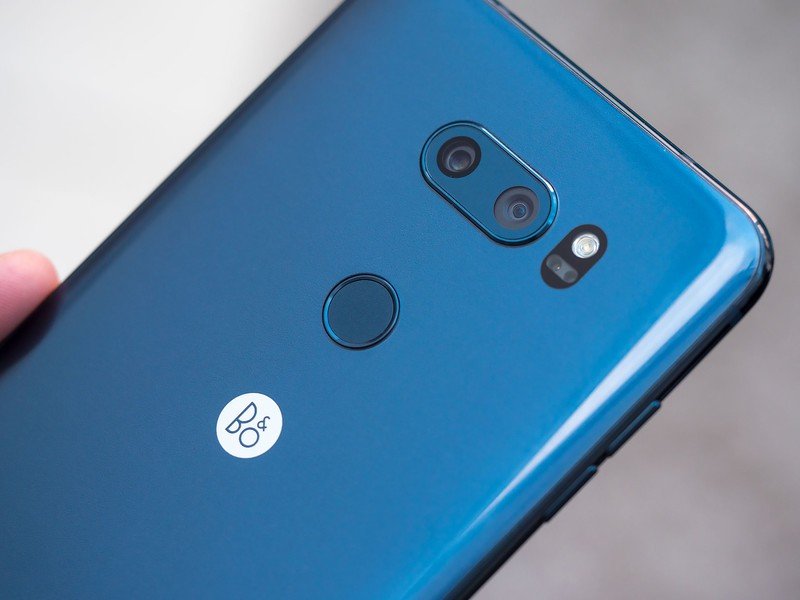
LG phones accept several dissimilar methods to install the files needed for rooting. Some, mostly international models, are completely bootloader unlockable and it's trivial to push the files through a custom recovery, while some are locked upwards tighter and require some special tricks. Every bit we see with Samsung phones, carriers have a lot of influence here, so most new LG phones sold in the U.s.a. are difficult to root.
In the past, phones like the LG G6 were trivial to root fifty-fifty if you tried on a carrier-branded model. Those days are gone and now the process may be risky. As with Samsung phones, the best affair y'all can do is to check the XDA forums for your model.
- LG G8 ThinkQ
- LG V30
Rooting your Huawei phone
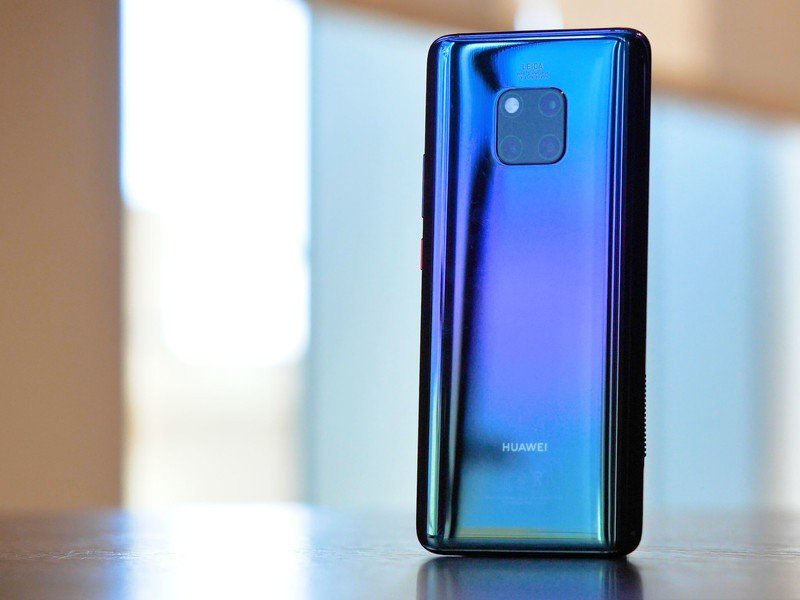
Huawei doesn't sell very many phones in N America, simply the visitor is one of the largest smartphone manufacturers in the world and offers some really neat products like the Mate 20 Pro, one of the best phones you tin buy.
The company used to allow bootloader unlocking of their phones through an official program, but that was suspended in May 2018 because it felt that a better user experience could exist provided and wanted to avoid issues for customers that flashed unauthorized software.
If y'all're interested in rooting your Huawei phone, the all-time thing you lot can do is read upwards on your model at XDA.
- Huawei P30 Pro
- Huawei Mate 30 Pro
- Huawei P20 Pro
Rooting your OnePlus phone
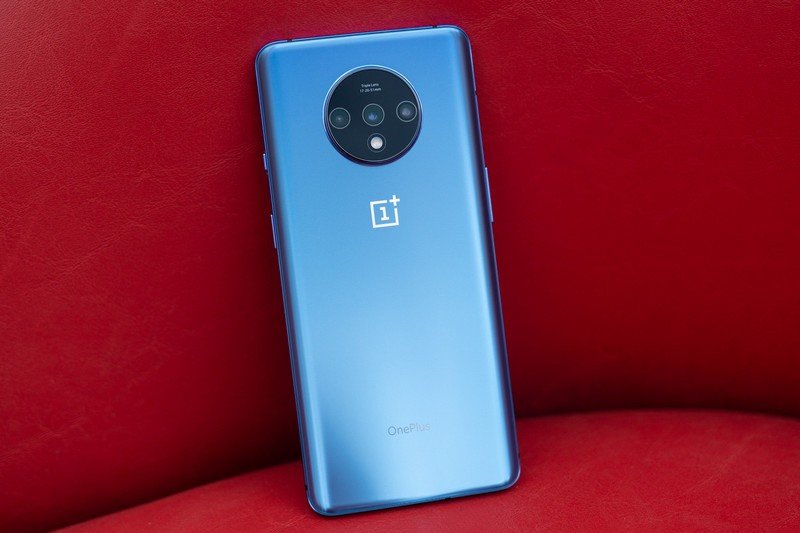
OnePlus has always been 1 of the more developer-friendly manufacturers, and all of the company's phones except the T-Mobile branded OnePlus 6T tin be rooted exactly the same way a Pixel phone can be — by unlocking the bootloader through the standard Android commands and transferring the correct files to the phone itself.
While carrier influence may make the T-Mobile OnePlus 6T an outlier, nix has changed for the visitor'south latest version. You'll find a full tutorial for unlocking and rooting your OnePlus phone at XDA Developers.
To root the T-Mobile branded OnePlus 6T, you'll need to catechumen information technology to the standard model's firmware. XDA Forums also has a full tutorial for you to follow. Other sections for OnePlus phones if you're not using a 6T:
- OnePlus vii Pro
- OnePlus 7t
Rooting your Motorola (Lenovo) telephone
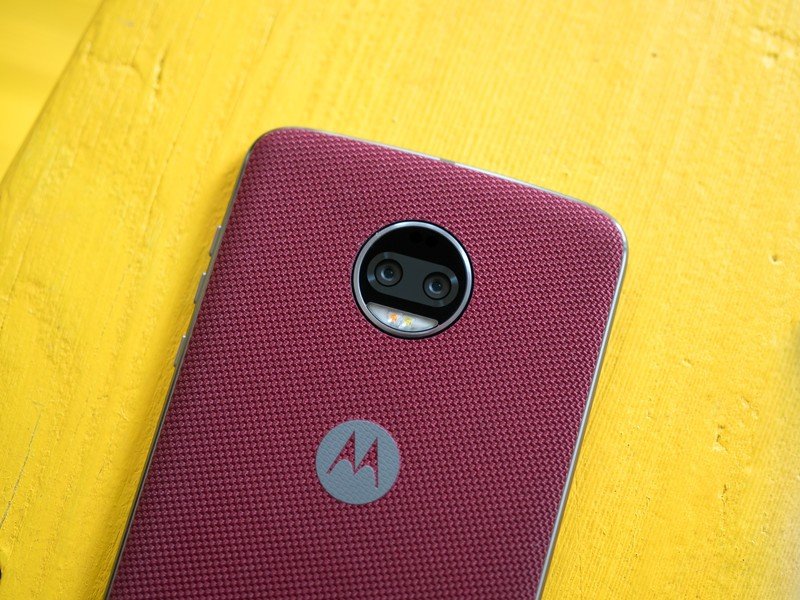
Motorola as well offers a liberal bootloader unlocking policy for some models, which you lot'll discover at their developer site. Using the standard Android SDK tools, yous tin can unlock your bootloader so that a custom recovery paradigm tin be flash. This allows you to flash any other organization prototype to your phone.
If your Motorola phone isn't covered under their bootloader unlocking policy (see the list hither (opens in new tab)) you lot might have to resort to exploits or apply commercial rooting apps. The best places to try are MOFOROOT or the relvant section at XDA Forums.
Rooting your Pixel phone
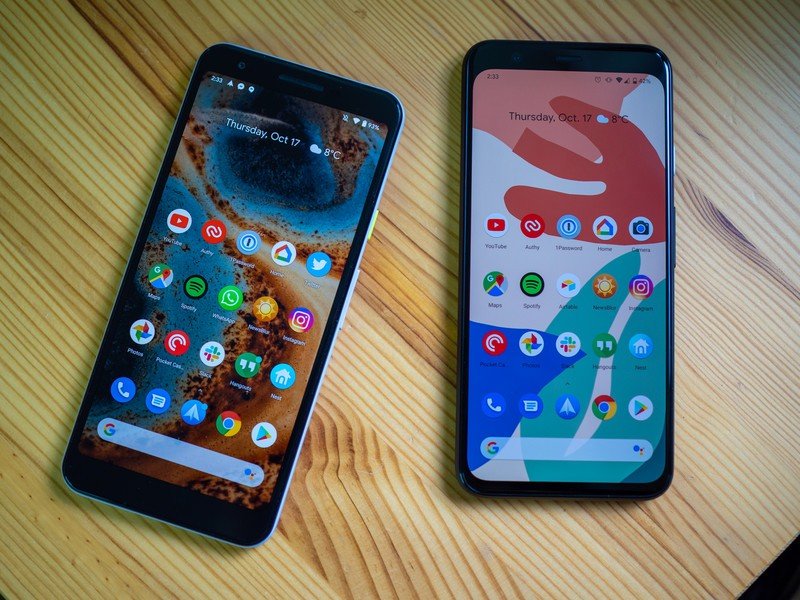
To root your Pixel phone, you should start with learning how to install and configure the Android SDK. There are plenty of one-click scripts or toolboxes that will unlock your bootloader and get you ready to wink (or even flash information technology for yous) a custom recovery, only there's a great reason to learn how to do it yourself — you lot are able to gear up about anything if information technology goes incorrect by using the Factory Images.
Google non only supports unlocking your bootloader, but they also give you full and complete instructions on how to do it, how to wink third-party images and how to go back. Unlocking the bootloader doesn't pause whatsoever warranties as Google realizes that in that location are many valid reasons to flash experimental on the programmer/reference device for Android. Take advantage of this, and use the tools Google provides!
Once a tertiary-party recovery paradigm is flashed, you're easily able to transfer the files you demand to root to your phone. Nosotros highly recommend a Pixel phone to anyone who wants to tinker with the Android software platform.
Other phones
As mentioned previously, there are over 12,000 current Android models from hundreds of manufacturers. There'south no way to include each and every 1 on a single page.
Some of these phones come with a method (either approved by the manufacturer or plant by a third-party) to unlock the bootloader and use the custom recovery method to root them. Many of these other phones can be rooted with applications y'all run on a computer or the phone itself. Await at specific forums for your device if you want to explore this.
Commercial root apps work just check out the pros and cons earlier you utilize them.
Apps like these piece of work because they accept advantage of an exploit (a bug or glitch) in the software. This means that many security applications will identify them every bit a virus, and that software updates tin (and do) break compatibility with them. Not every phone can be rooted through an app that leverages an exploit, but many tin can. It's certainly worth a look to encounter if your item telephone is supported.
Information technology's also practiced to question the methods and motives behind any company that wants admission to potentially sensitive information, and a good for you dose of skepticism is a good thing. A lot of folks experience that these kinds of apps are unsafe or follow unsafe practices, and they may be right. On the other hand, plenty of people have used the apps and services and are completely happy with the results. We can't speak on it either way, every bit we're non involved in the creation or testing of whatsoever of these apps. Our chore is to inform you that they exist and let you know that there is always a bit of inevitable controversy surrounding them.
**Updated Feb 2020: ** This article was completely rewritten to showcase all of the latest root guides and apps. {.update}
Source: https://www.androidcentral.com/root

Postar um comentário for "what does it mean to root your android"